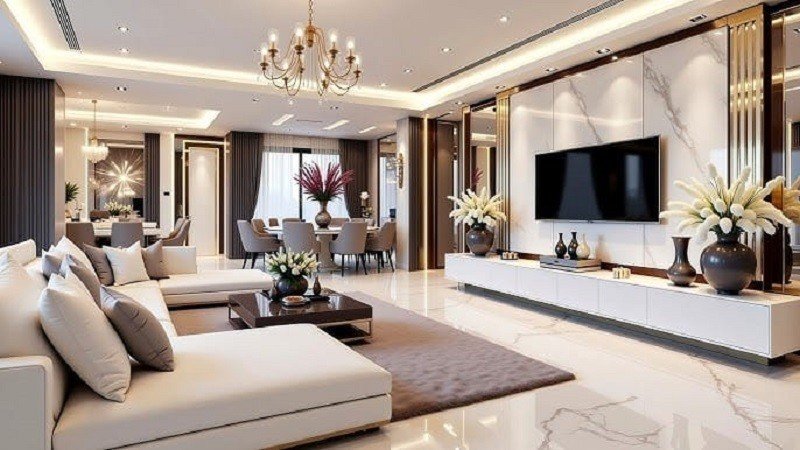
Decorating a home involves more than choosing attractive furniture or following the latest interior design trends. A well-styled home should feel comfortable, organized, functional, and personal. The right mix of colors, furnishings, lighting, textures, and accessories can transform a room without requiring a major renovation.
The Decoration Tips DecoradHouse from DecoratorAdvice approach focuses on practical and thoughtful home décor ideas, interior styling tips, and decorating solutions that work in real homes. Whether you are furnishing a new house, refreshing a single room, or making a small space more inviting, these DecoradHouse decorating ideas can help create a balanced and appealing interior.
Most importantly, decorate according to your lifestyle. A family living room, peaceful bedroom, busy kitchen, and home office each have different needs. When your interior decoration choices support those needs, your home becomes more attractive, comfortable, functional, and enjoyable every day.
Decoration Tips DecoradHouse for Choosing the Right Color Palette
Color creates the foundation for effective home decorating. Decoration Tips DecoradHouse from DecoratorAdvice recommend using a simple combination of neutral base colors and carefully selected accents to create a balanced, welcoming interior.
Soft white, cream, beige, warm gray, and taupe can provide a calm backdrop. Add stronger shades through artwork, cushions, curtains, rugs, or accent furniture.
For example, a neutral living room can feature muted green cushions, natural wood furniture, and a patterned rug. The colors do not need to match perfectly; they simply need to complement one another.
Before painting, test samples directly on the wall. Natural and artificial lighting can change how a color looks, so check your samples at different times of the day before making a final decision.
Decoration Tips DecoradHouse for Smart Furniture Planning
Furniture arrangement has a major influence on comfort and functionality. Decoration Tips DecoradHouse from DecoratorAdvice recommend planning furniture around how each room is actually used.
In a living room, arrange seating so people can comfortably talk, watch television, read, or relax together. Keep clear pathways between doors and frequently used areas.
Avoid choosing furniture simply because it looks attractive. Its size should suit the room. A large sofa may work well in a spacious living area but can overwhelm a small apartment.
Multifunctional furniture is especially useful in limited spaces. Storage benches, nesting tables, ottomans, sofa beds, and compact shelving can improve functionality while keeping the room flexible.
Make Lighting Work for You
Lighting is one of the simplest ways to transform a room’s mood and ambiance. A space can have beautiful furniture and still feel uncomfortable if the lighting is poorly planned.
Use different sources for different purposes. General ceiling lighting can illuminate the room, while table lamps and floor lamps can provide softer light for relaxing. Task lighting is useful for reading, studying, cooking, or working.
Do not forget natural light. Keep windows as open as practical and choose window treatments that provide privacy without unnecessarily blocking daylight.
Mirrors can also help reflect available light. In smaller rooms, placing a mirror where it can reflect a window or another light source can create a brighter and more open feeling.
Give Each Room Its Own Purpose
Good decoration begins with functionality. Every room should have a clear purpose, even when several activities take place in the same space.
Living Room
The living room should feel comfortable, inviting, and relaxing. Focus on suitable seating, a practical coffee table, useful lighting, and a clear focal point. Artwork, a rug, or a television wall can help organize the visual arrangement.
Bedroom
A bedroom should encourage rest. Use comfortable bedding, soft lighting, limited clutter, and colors that create a calm atmosphere. Bedside tables and easily accessible storage can make the room more practical.
Kitchen
The kitchen benefits from organization more than excessive decoration. Keep frequently used items within easy reach, maintain clear countertops, and use lighting that makes food preparation easier.
Dining Area
Comfortable seating and sufficient space around the dining table are more important than filling the area with decorative objects. A pendant light, centerpiece, artwork, or simple table setting can provide enough visual interest.
Home Office or Study Area
A study or work area needs proper lighting, comfortable seating, and organized storage. Even if you do not have a separate room, a dedicated corner can create a clear distinction between work and relaxation.
Add Texture Instead of More Clutter
A room does not need dozens of accessories to look interesting. Texture can create visual depth without making the space feel overcrowded.
Combine materials such as wood, cotton, linen, wool, ceramic, glass, and woven fibers. A soft rug can balance hard flooring, while cushions and throws can add comfort to a simple sofa.
Natural textures are especially useful in neutral interiors because they prevent the space from appearing flat. However, keep the overall combination controlled so the room still feels cohesive.
Bring Natural Elements Indoors
Plants are an easy way to introduce life and color into an interior. Choose plants according to the amount of light available and the level of maintenance you can realistically provide.
You can also use natural materials such as wooden accessories, rattan baskets, bamboo details, stone surfaces, and woven décor.
The purpose is not to turn every room into a garden. A few carefully positioned natural elements can provide enough freshness and contrast.
Use Wall Décor to Show Personality
Walls are an opportunity to make your home feel personal. Artwork, photographs, mirrors, shelves, prints, and handmade pieces can all contribute to the character of a room.
Choose pieces that have meaning or genuinely suit your taste. A home filled with random decorative items can feel less personal than a simpler room containing a few carefully selected pieces.
For a gallery wall, plan the arrangement before hanging anything. Consistent spacing and a common color or frame element can connect different pieces while allowing variety in size and design.
Make Storage Part of the Decoration
Storage should not be treated as something separate from interior design. When storage is planned properly, it can improve both the appearance and functionality of a room.
Use floating shelves for books and selected decorative objects. Baskets can organize smaller belongings, while cabinets and drawers can hide items that would otherwise create visual clutter.
In small homes, use vertical space. Tall shelving, wall hooks, behind-door organizers, and furniture with built-in storage can increase capacity without taking too much floor space.
A useful approach is to keep everyday essentials accessible while storing rarely used items out of sight.
Decorate Small Spaces With Proportion in Mind
Small rooms do not necessarily need fewer design ideas; they need better decisions. Oversized furniture, excessive patterns, and blocked pathways can make a compact room feel even smaller.
Light colors, mirrors, vertical storage, appropriately scaled furniture, and clear walking areas can help maintain a sense of openness.
Instead of filling every corner, allow some empty space. Empty space gives furniture and decorative pieces room to breathe and can make the entire arrangement feel more intentional.
Personalize Your Home Without Overdoing It
The best interiors usually contain something that could belong only to the people who live there. Family photographs, favorite books, travel memories, handmade objects, artwork, and inherited pieces can give a room character.
Personalization does not mean displaying everything at once. Select a few meaningful items and position them where they can be appreciated.
This creates a home that feels lived-in and authentic rather than copied directly from a showroom.
Update Your Decor Gradually
You do not need to redecorate your entire house in one project. Decoration Tips DecoradHouse from DecoratorAdvice encourage gradual changes that are easier to manage and adapt.
Start with the room that needs the most attention. Rearrange existing furniture before buying anything new, then add lighting, textiles, artwork, plants, or storage where they serve a clear purpose.
When purchasing new items, consider how they complement your existing decor. Timeless furniture combined with flexible accessories allows your style to evolve without unnecessary spending.
Common Decorating Mistakes to Avoid
A few simple mistakes can reduce the impact of an otherwise attractive interior.
Buying furniture without measuring: Always check the room, doorway, and access dimensions before purchasing large pieces.
Using too many colors: A limited palette usually creates more visual harmony.
Ignoring lighting: Even a well-designed room can feel dull when lighting is inadequate.
Overcrowding surfaces: Leave some tables, shelves, and walls relatively clear.
Following every trend: Use trends as inspiration rather than allowing them to determine your entire interior.
Ignoring comfort: A beautiful chair or sofa is not a successful choice if nobody wants to use it.
Final Thoughts
The strongest Decoration Tips DecoradHouse from DecoratorAdvice are based on thoughtful decisions rather than unnecessary spending. A successful interior begins with understanding the space, defining how each room will be used, and choosing colors, furniture, lighting, textures, and accessories that support that purpose.
You can create noticeable improvements without a complete renovation. Rearranging furniture, improving lighting, adding natural elements, organizing storage, introducing meaningful artwork, or changing a few textiles can give a familiar room a completely different feel.
Most importantly, your home should reflect your lifestyle. Use design principles as a guide, but allow your own preferences, memories, and daily routines to shape the final result. When comfort, functionality, organization, and personal style come together, even simple decorating choices can create a home that feels beautiful, welcoming, and truly yours. Read More decoratorsadvise